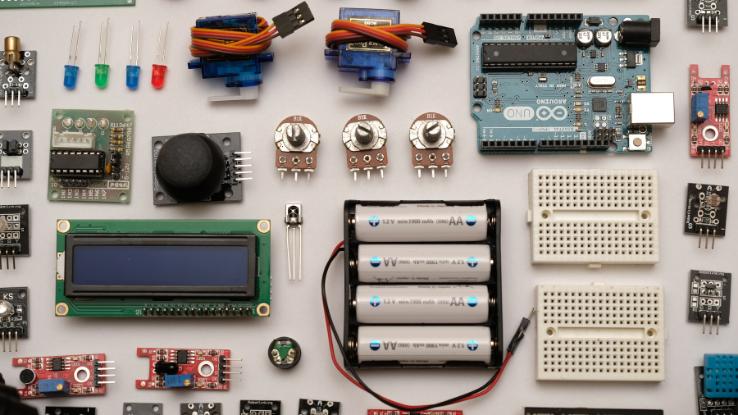
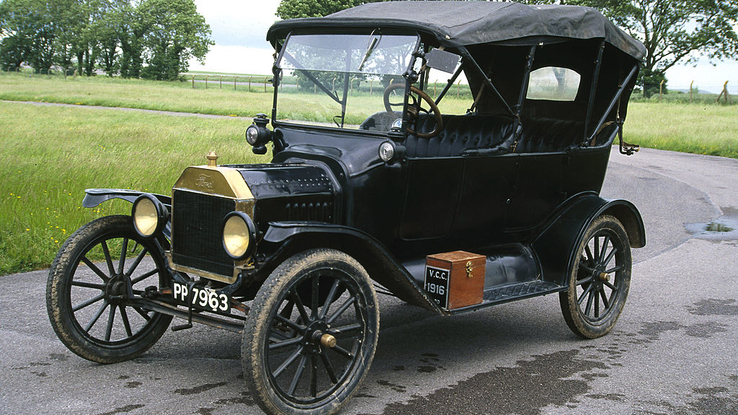
Cars have seed a long style from the days of Ford's Model T, and car sensors have played a key divide in this evolution. Whereas cars once relied alone on mechanical and electro-automatic systems to function, late vehicles use a large routine of sensors to supervise everything from emission levels to automatic braking systems (ABS).
Understanding how cable car sensors work isn't easy, since they're made for many contrary purposes and work in numerous shipway. However, if you own a car, IT's good to live how the applied science propelling you at sixty miles an minute actually works. These are the secrets behind car sensors that make motor vehicles as we eff them today possible.
Cars Before Car Sensors
When cars premiere began to take the streets, they were much simpler than they are nowadays, with the most daedal technology involved being the combustion engine itself. Each parting of the locomotive engine also managed itself — the carburetor regulated fuel, the mechanical allocator took care of the sparks and so happening. Every start out of the railroad car did its job separately.
If a part wasn't doing its business effectively, however, there was no room to change the part's behavior without manually replacing it. As a result, cars requisite a lot of maintenance, both because IT was the only way to catch a awry part before it stopped working and because that was the only way to keep goin those parts working efficiently.
Car sensors changed things by non only notifying the driver when something wasn't working but too by adjusting how parts behaved — even when they were functioning correctly — for maximum performance. Starting with emissions controls and other technologies in the 70s and 80s, motor vehicles began to use basic analogue sensors that could make cordate decisions to affect how the car ran.
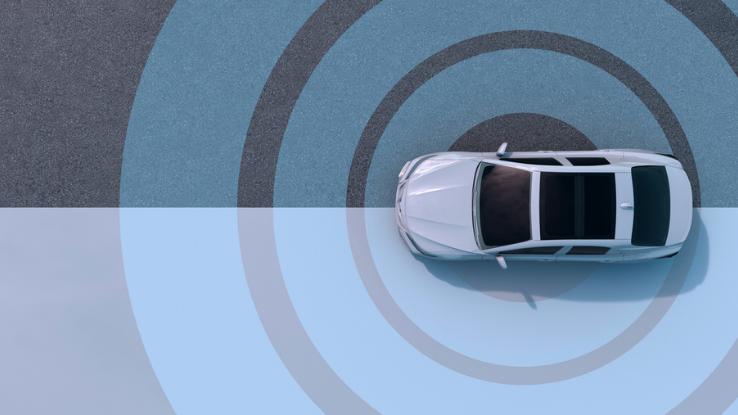
With the rise of modern computers, analog sensors were replaced by much more powerful digital ones that could varan all kinds of things, even steering and the presence of other vehicles on the touring. Because of this, modern cars can execute Sir Thomas More tasks and rivulet more efficiently than ever in front, and self-driving cars that manage themselves using data from car sensors are becoming Thomas More prevalent.
While mechanics still recommend periodic inspections (unremarkably all 35,000 miles approximately), the growth of railway car sensors agency that many problems are less likely to happen and more likely to embody identified sooner. Diagnosis a problem is besides easier for mechanics. Wholly U.S. cars successful in 1996 or later contain an onboard nosology (OBD) system, a computer that receives all information from a car's sensors. Another computer seat be old to tap into the OBD and extract the information as code, which a machinist operating theater other expert can use to identify problems that the device driver likely hasn't even noticed yet.
Chemistry, Physical science and Railway car Sensors
Most of the sensors in your vehicle are used to monitor your engine and drivetrain (the parts that let the engine turn the wheels) in some elbow room, and they often use chemical reactions to do so. The oil level detector, for instance, uses a magnetized sealer to discover changes in oil levels. When there's sufficiency lubrication, the sealer flows back and forth without forming a full loop. When in that location isn't, a switch deactivates, allowing the sealant to mannikin a circuit, which successively sends an electrical signal that notifies your OBD of a problem.
Likewise, the aptly named water-in-fuel (WiF) detector detects the presence of water in your gas tank by testing your fuel's electrical conduction. Piece water is extremely conductive, gasoline ISN't. By using electrodes to apply a current, the sensor can detect the presence of water, which can cause problems with ignition and acceleration.
Other sensors use up temperature, pressure and different way to measure everything from the temperature and pressure of aura entering your engine (the mass airflow sensor) to the proximity of other vehicles (the car parking sensor, which uses either magnetism OR ultrasonic pulses to estimate distances). What all gondola sensors have in common is their reliance on chemical science and physics to detect changes in the car and its surroundings.
Technological Advances
With so many sensors sending signals throughout the car, you power expect to find electrical wiring throughout your car. All the same, while there's definitely approximately, overmuch wiring would actually live a problem for machine manufacturers, as wires take infinite and free weight capacity that are both shortly supplying in a gondola. Indeed how have engineers managed to supply more and Thomas More car sensors to vehicles o'er time?
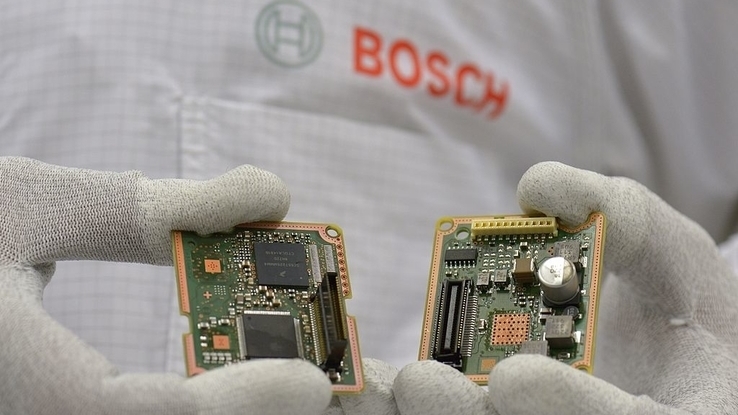
Although the OBD receives signals about the statuses of all parts of the railcar, it's actually not the only computer in the car. Instead, different computers passim the car monitor different sensors and work different components of the car. Past sending multiple kinds of information through and through a single signal — a cognitive operation called multiplexing — these computers are able to efficiently finagle their set tasks and communicate with from each one other about what varied car sensors are reporting. And it all happens while you get to enjoy the comforts of your car, focusing only on the road ahead of you.
Car Fan for Heater and Ac Not Working
Source: https://www.questionsanswered.net/autos/what-are-car-sensors-and-how-do-they-work?utm_content=params%3Ao%3D740012%26ad%3DdirN%26qo%3DserpIndex
Post a Comment